|
Updated September 4, 2026
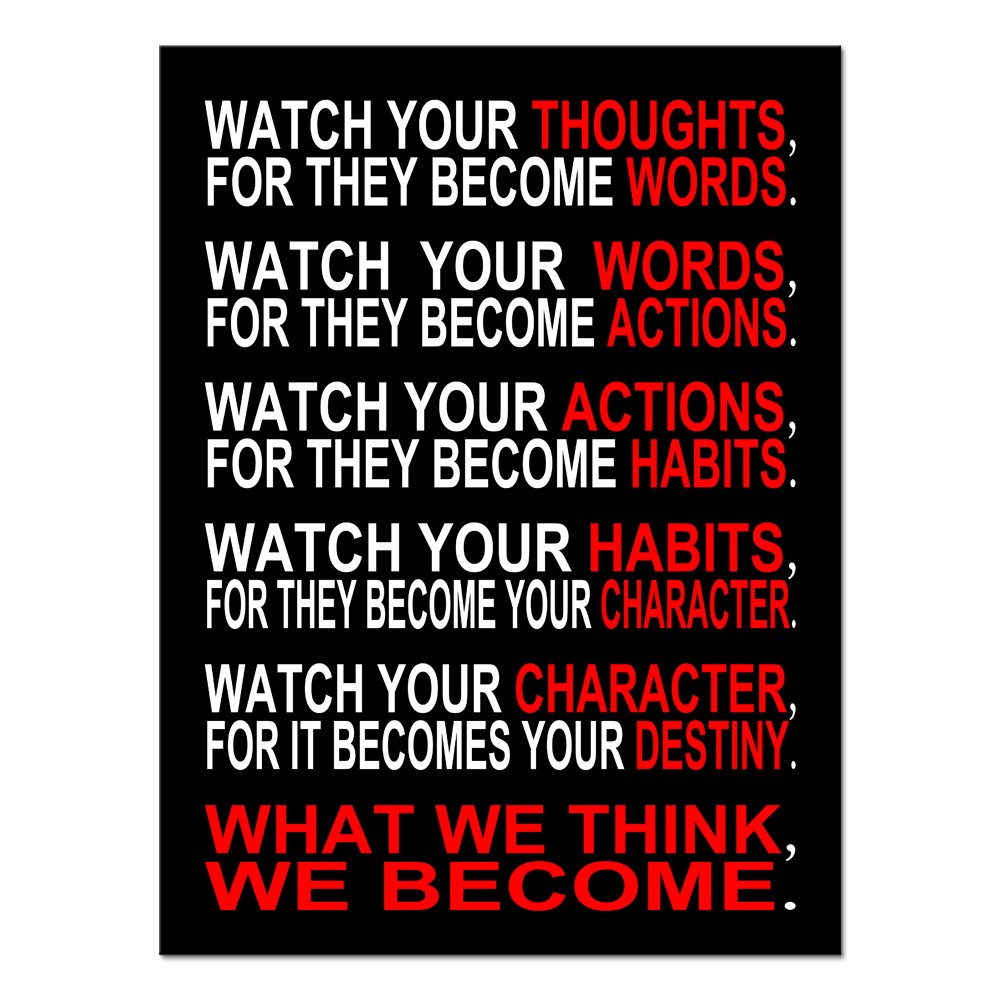
It can be easy to identify ourselves by our diagnoses and develop a “fix me” patient mentality. When pain becomes a major part of life, it can also become a major part of identity. But a diagnosis describes a condition. It doesn't define a person. Change the way you think about yourself Instead of thinking: "I'm a patient in pain." Try: "I'm a person living well while managing chronic pain." Instead of: "Pain controls me." Try: "Pain may affect me, but I can choose how I respond." The goal isn't to deny pain or pretend that difficult days don't happen. It's to stop allowing pain or a diagnosis to become the definition of who you are. You are more than a diagnosis I no longer identify myself by my diagnoses or as a chronic pain patient. Those diagnoses are part of my medical history. They aren't who I am. I'm Tom Bowen — husband, father, dog father, Iowa Hawkeye fan, clown, friend, author, educator, and pain advocate. I'm not Tom Bowen — neuroma of amputation stump, post-concussion syndrome, tinnitus, hearing loss, fibromyalgia, chronic pain syndrome, chronic fatigue, irritable bowel syndrome, costochondritis, neuropathy, migraine/chronic headaches, sacroiliac joint dysfunction, anxiety, and depression. Those conditions and diagnoses are things I've experienced. They don't define me. Thoughts aren't facts Changing the way you think doesn't mean simply replacing negative thoughts with positive ones. It's about learning to recognize unhelpful thoughts, examine them, and develop more balanced and useful ways of responding. For example: "I can't do anything because it hurts." might become: "This is difficult right now. Is there a smaller or different way I can participate?" Or: "I'm never going to get better." might become: "I don't know exactly what the future holds, but I can take one step that may improve my life today." The goal isn't forced optimism. It's learning to think in ways that support meaningful action. Don't confuse acceptance with giving up Accepting that chronic pain is part of life doesn't mean giving up. It means acknowledging reality without letting it determine everything that happens next. I had to stop making the elimination of pain a requirement for living my life. Through pain rehabilitation, I learned to focus on what I could influence: my thoughts, my responses, my behaviors, my choices, and the way I spent my time. I couldn't control everything. But I could learn to respond differently. Define yourself by what matters Ask yourself:
Those things deserve your attention. Pain may be part of your experience, but it doesn't have to become your identity. You aren't the pain you feel. You are much more than a diagnosis. Need help changing your thoughts? These resources may help you learn more about cognitive and behavioral strategies:
Comments are closed.
|