CHRONIC PAIN CHAMPIONS
  • Home
  • Start Here
  • Chronic Pain Resources
  • Community
  • About
  • About Chronic Pain Champions
  • Chronic Pain Blog | Pain Science & Self-Management | Chronic Pain Champions
  • Understand Pain
  • Accept Pain
  • Change Your Experience
  • Pain Rehabilitation
  • Family and Friends
  • Chronic Pain Support Groups
  • Artcles & Interviews
  • Healthcare Professionals
  • Chronic Pain Champions Support Group
  • Chronic Pain Self-Management Course | Chronic Pain Champions
  • What People Are Saying
  • Connect
  • Communication & Listening
  • Pain Science & Chronic Pain
  • Person Centered Chronic Pain Care
  • Pain Communication
  • Active Self-Management in Pain Care
  • FAQs
  • Chronic Pain Self-Management Tools | Chronic Pain Champions
  • Pain Rehabilitation for Chronic Pain
  • Find a Chronic Pain Rehabilitation Program
  • Trapped by Chronic Pain? Break Free and Take Back Your Life
  • Free Chronic Pain Starter Guide | Chronic Pain Champions
  • Self-Management Tools (old)

Chronic Pain Blog

Explore thoughts, experiences, and evidence-informed perspectives on chronic pain, pain science, pain rehabilitation, self-management, and living well despite persistent pain.

We can’t treat chronic pain like acute pain

4/19/2022

 
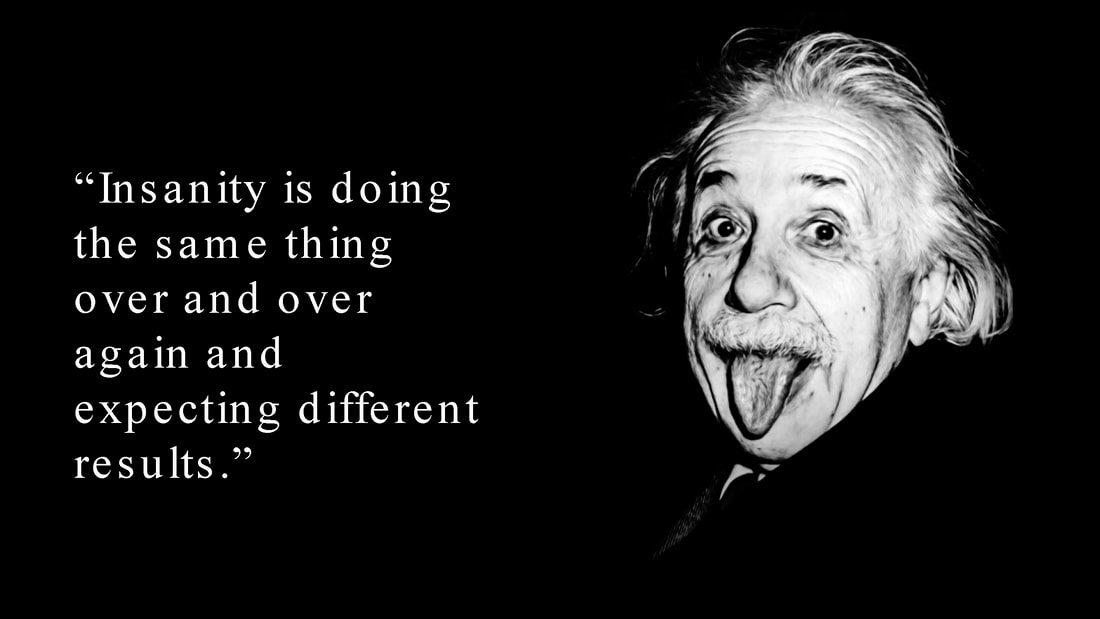
If biomedical treatments alone didn't resolve pain when it was acute, is it reasonable to expect the same treatments alone to change our symptoms when pain becomes chronic?

It's not.

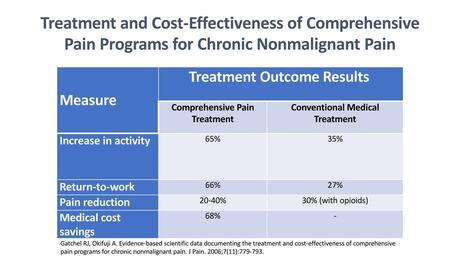
We must change the paradigm. Pain is more than a biomedical condition. We need to treat the whole-person care.. As Dr. Rachel Zoffness reminds us, " Because pain is biopsychosocial, treatment must be, too."

As pain persists, its relationship to the original injury or tissue changes can become more complex. Biological, psychological, and social factors can all influence how pain is experienced and maintained. Changes in nervous-system sensitivity can also contribute in some people.​

Acute pain vs. chronic pain
Pain can be described by how long it has been present.

Acute pain is generally short-term and often associated with actual or potential tissue injury, illness, surgery, or another identifiable cause.

Chronic pain typically persists or recurs for more than three months. It can result from an underlying disease or condition, injury, medical treatment, inflammation, or sometimes an unknown cause. It can continue after an injury has healed, and its intensity and impact can change over time.

As pain persists, its relationship to the original injury or tissue changes can become more complex. In some people, changes in nervous-system sensitivity can contribute to increased pain sensitivity. One mechanism that can contribute to this increased sensitivity is called central sensitization. 

Features associated with increased pain sensitivity have been described in a range of chronic pain conditions, although the mechanisms involved can differ from person to person and condition to condition. Conditions include fibromyalgia, whiplash, shoulder pain, neuropathic pain, chronic fatigue syndrome, non-cardiac chest pain, irritable bowel syndrome, temporomandibular disorders, post-surgical pain, complex regional pain syndrome, low back pain, osteoarthritis, pelvic pain, and headache.

This 22-minute video from Dr. Sletten with the Mayo Clinic Pain Rehabilitation Center (PRC) provides a helpful explanation of pain and sensitization, why traditional medical treatments don’t always work for chronic pain, and their approach at the PRC. I encourage you to watch it.

​Biomedical treatments may still have an important role, but chronic pain often requires a broader approach than treating the presumed physical source alone.

Learn more
  • We Have a Chronic Pain Problem, Not a Prescription Opioid Problem (my article)
  • Are You Missing Two-Thirds of Your Potential Pain Treatment Plan? (My article) 
  • Central Sensitization Syndrome (CSS) - Dr. Christopher Sletten (22:19) 
  • The Truth About Managing Chronic Pain (w/Dr. Rachel Zoffness) - ZDoggMD (1:39)​
Picture

Comments are closed.

    Topic

    All
    Cognitive Behavioral Therapy
    Featured Resource
    Forgiveness/Gratitude
    General
    Goal Setting
    Moderation/pacing
    Opioids
    Pain Behavior
    Pain Management
    Pain Rehabilitation
    Supplements
    Understand Pain

    ​Archives

    August 2026
    July 2026
    September 2025
    June 2025
    April 2025
    July 2024
    June 2024
    October 2023
    September 2023
    August 2023
    April 2023
    January 2023
    November 2022
    August 2022
    July 2022
    June 2022
    May 2022
    April 2022
    March 2022
    February 2022
    January 2022

    CHRONIC PAIN CHAMPIONS, LLC, AND THIS WEBSITE DO NOT PROVIDE MEDICAL ADVICE

    All information is for educational purposes only. It is not intended to replace professional medical advice, diagnosis, or treatment. Use at your own risk.
    ​

    By accessing/using this website and any related pages/information/products/services, you agree to the terms and conditions.

    ​© 2026 Chronic Pain Champions, LLC
    ​All rights reserved.
    For personal, non-commercial use..
Proudly powered by Weebly
  • Home
  • Start Here
  • Chronic Pain Resources
  • Community
  • About
  • About Chronic Pain Champions
  • Chronic Pain Blog | Pain Science & Self-Management | Chronic Pain Champions
  • Understand Pain
  • Accept Pain
  • Change Your Experience
  • Pain Rehabilitation
  • Family and Friends
  • Chronic Pain Support Groups
  • Artcles & Interviews
  • Healthcare Professionals
  • Chronic Pain Champions Support Group
  • Chronic Pain Self-Management Course | Chronic Pain Champions
  • What People Are Saying
  • Connect
  • Communication & Listening
  • Pain Science & Chronic Pain
  • Person Centered Chronic Pain Care
  • Pain Communication
  • Active Self-Management in Pain Care
  • FAQs
  • Chronic Pain Self-Management Tools | Chronic Pain Champions
  • Pain Rehabilitation for Chronic Pain
  • Find a Chronic Pain Rehabilitation Program
  • Trapped by Chronic Pain? Break Free and Take Back Your Life
  • Free Chronic Pain Starter Guide | Chronic Pain Champions
  • Self-Management Tools (old)